Best Climbing Chalk: Buyer's Guide to Loose, Liquid and Rosin-Free Chalk (2026)
 Petr Hess, strength & conditioning coach
Updated 2 Nov 2026 · 9 min read
Key takeaways
Best for: Climbers choosing chalk to suit their skin and gym
- Plain magnesium carbonate loose chalk suits most people, such as FrictionLabs Unicorn Dust, Bison Competition Chalk or budget Metolius Super Chalk.
- If you sweat a lot, add a liquid chalk base layer; if your gym bans rosin, consider FrictionLabs Secret Stuff.
- Check gym and crag rules first: rosin-free liquid chalk doesn't automatically satisfy restrictions, and some areas prohibit white chalk.
- Labels change and sources disagree on additives and rosin, so read the ingredient list on the product you buy.
- Chalk mainly dries sweat and makes holds feel predictable, so use a thin coat and brush excess off holds.
The best climbing chalk is the one that suits your skin and where you climb. For most people that means a plain magnesium carbonate loose chalk in a texture you like, such as FrictionLabs Unicorn Dust, Bison Designs Competition Chalk or budget Metolius Super Chalk, plus a liquid chalk base layer if you sweat a lot. If your gym bans rosin, consider a rosin-free liquid chalk such as FrictionLabs Secret Stuff. Check gym and crag rules first: rosin-free liquid chalk does not automatically satisfy restrictions on chalk or substitutes, and some areas, such as Arches National Park, prohibit white chalk.
This is a research-based buyer's guide. We haven't tested these chalks ourselves. Formulations come from each brand's own product page (linked), and the picks lean on published independent tests: 99Boulders' blinded chalk test, Treeline Review and OutdoorGearLab. Some links may become affiliate links; see our affiliate disclosure.
Prices and stock change often; the button opens the retailer or brand page so you can check today's price.
Best climbing chalk at a glance
| Chalk | Type | Best for | What the brand says it contains | Main drawback |
|---|---|---|---|---|
| FrictionLabs Unicorn Dust | Loose (powder + chunks) | Best overall | High-purity magnesium carbonate, "no fillers or toxic drying agents" | Premium price |
| Bison Designs Competition | Loose, very fine | Even, low-waste coating | 100% natural magnesium carbonate, no fillers or additives | Fine texture takes getting used to |
| Metolius Super Chalk | Loose, chunky | Budget, bulk | 100% magnesium carbonate | Less consistent coat |
| OCÚN Hot Chalk | Loose | Warm conditions above 10°C (brand claim) | Magnesite blend for warm conditions | Few independent reviews |
| Mammut Liquid Chalk | Liquid | Value liquid base layer | Lists 100% magnesium carbonate hydroxide; alcohol-based | Stings cuts |
| FrictionLabs Secret Stuff | Liquid | Rosin-free, gym | 45% isopropyl alcohol (Original); 80% and alcohol-free versions | Expensive per ml |
| Wild Country Pure Liquid Chalk Rosin Free | Liquid | Rosin-free, kind to holds | Over 70% alcohol, eucalyptus and spearmint oils | Small 100 ml bottle |
| Metolius Eco Ball | Ball | Low-dust chalk substitute | Formula not disclosed | Ingredients unclear |
Does chalk actually improve grip?
Less clearly than you'd think. A 2016 study of 19 experienced climbers found no difference in the coefficient of friction with or without chalk, yet the climbers hung on longer with chalk: about 63 seconds versus 49. A 2024 lab study on four UK rock types found that chalk helped dry fingertips more than simulated sweaty ones, that its effect depended on rock roughness, and that it made friction more consistent. Our climbing skin care guide covers this research, including an older study that found chalk lowered friction.
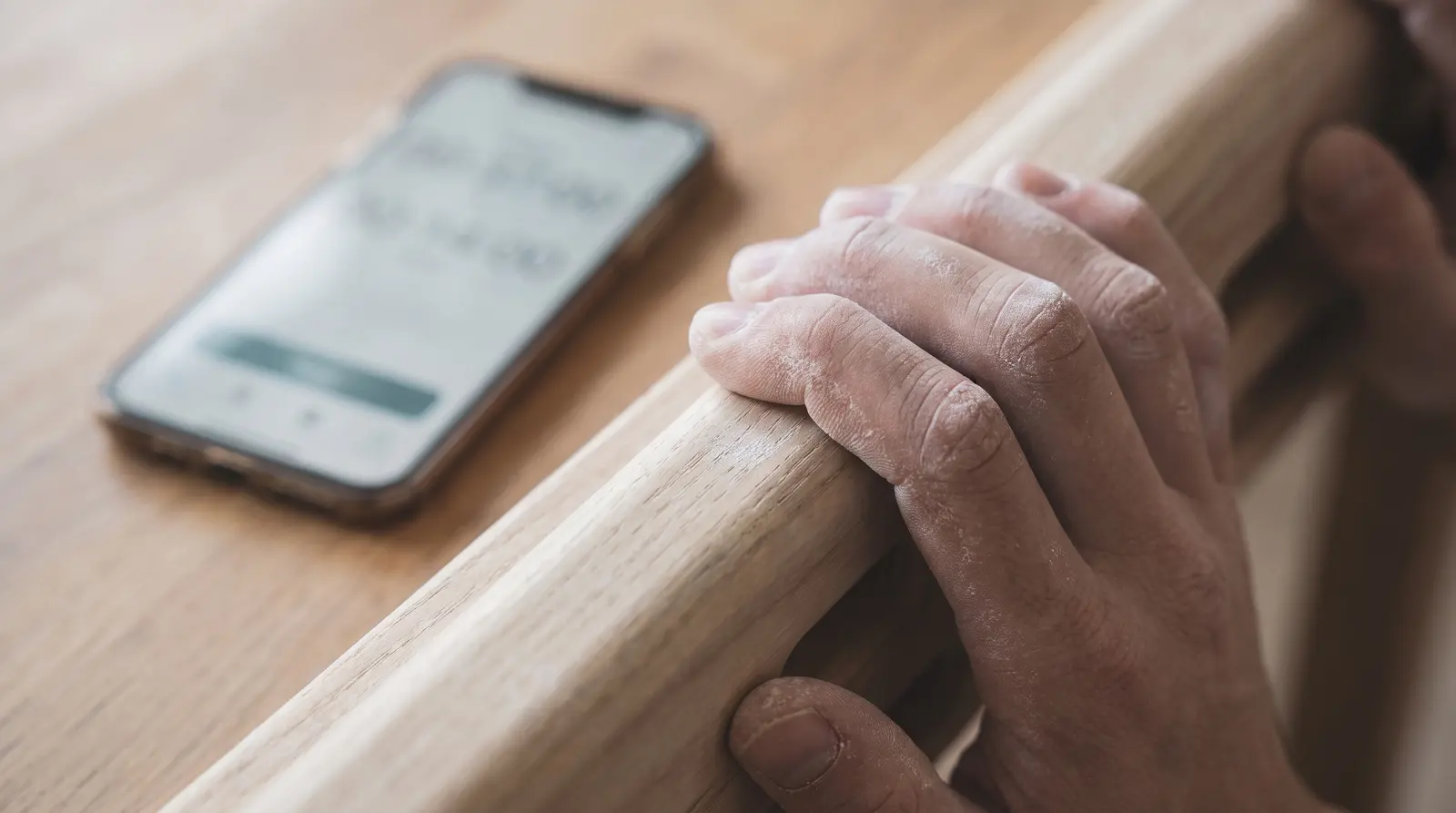
The practical reading: chalk dries sweat and makes holds feel predictable. It isn't a magic grip powder, so a thin even coat beats a thick layer, and brushing excess chalk off holds matters as much as the brand you buy.
Types of climbing chalk
| Type | Pros | Cons | Best for |
|---|---|---|---|
| Loose (powder or chunky) | Fast to top up; choose your texture | Dusty, spills | Most bouldering, outdoors |
| Block | Can be inexpensive; crush to the texture you want | Uneven until broken down | Climbers who like chunky chalk |
| Chalk ball | Less dust and spillage, controlled amount | Slower; thinner coat | Gyms that require balls |
| Liquid | Even, long-lasting, nearly dust-free base layer | Takes time to dry; alcohol dries skin; stings cuts | Sweaty hands, gyms, start of a session |
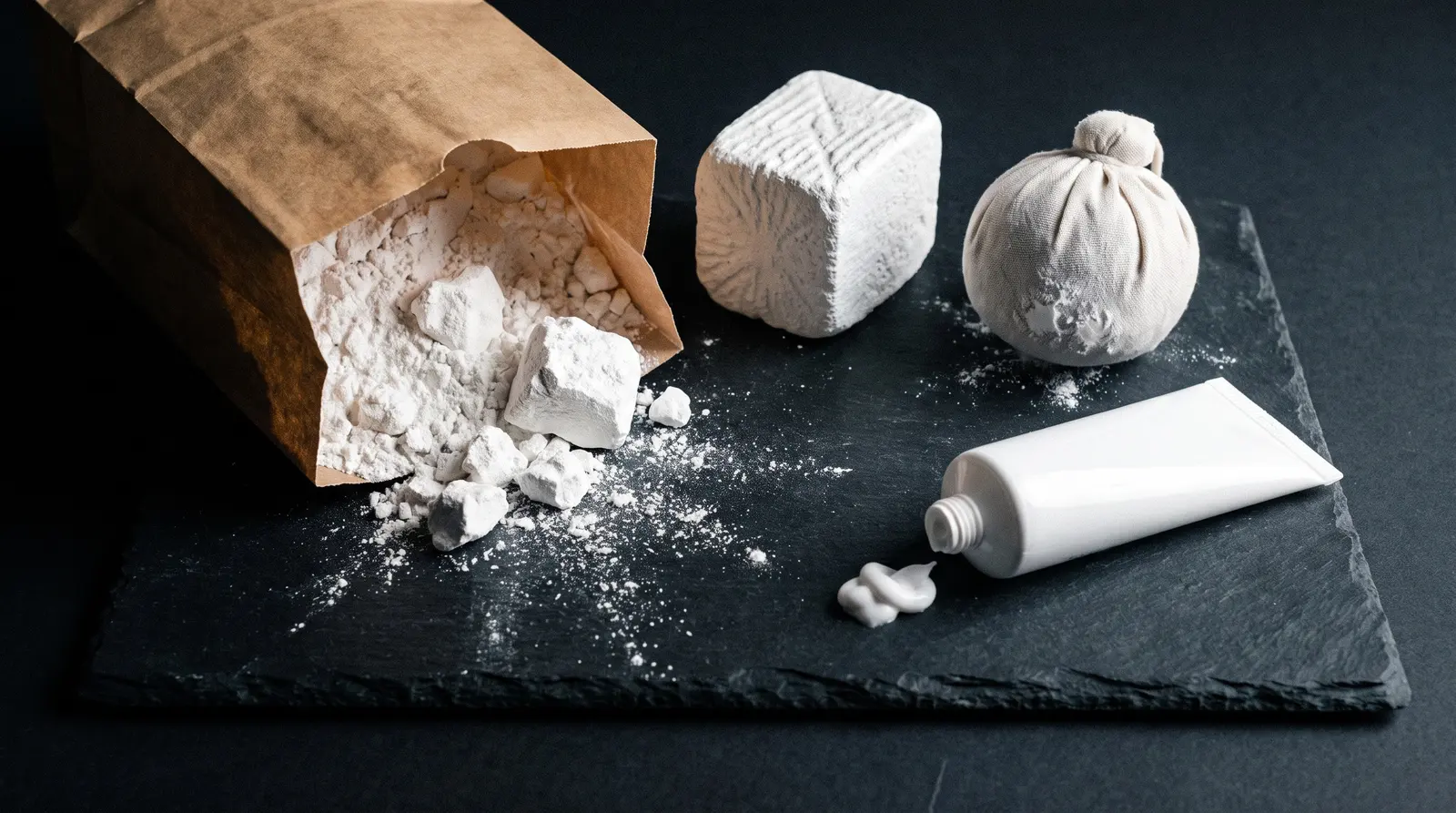
Loose chalk comes as fine powder, chunks or a mix. Texture is mostly personal preference: fine chalk coats quickly, chunky chalk feels more like the old-school block. Block chalk can be inexpensive; compare prices per 100 g with bulk loose chalk. Treeline names the Metolius Chalk Block its chunky pick, but warns it is hard to spread evenly. Chalk balls are loose chalk in a porous fabric sock. Mammut notes some venues make them mandatory to cut dust; FrictionLabs says the same. Liquid chalk is chalk suspended in alcohol (or a gel). The alcohol evaporates and leaves a thin layer. OutdoorGearLab and Treeline both recommend it mainly as a base layer under loose chalk rather than on its own.
Whatever you choose, you need something to carry it in. For bouldering, a bucket is usually better than a bag; see our best chalk bucket guide.
Additives, drying agents and rosin
Drying agents
Most climbing chalk is magnesium carbonate. Some brands add drying agents, and labels aren't always clear. OutdoorGearLab lists Metolius Super Chalk as containing a drying additive, yet Metolius's own page says "100% Magnesium Carbonate," and Treeline lists no additives. When sources disagree, go by the brand's current label and how your skin reacts. Drying agents can help very sweaty hands, but 99Boulders found the two most drying chalks in its test caused tenderness, stiffness and cracking over time.
Rosin (colophony) in liquid chalk
Rosin, also listed as colophony or colophonium, is a pine resin that makes chalk tackier and longer-lasting. It is common in liquid chalk. OCÚN's own instructions for its Liquid Chalk list "COLOPHONIUM" among the ingredients, for example, and 99Boulders reported rosin in four of the five liquid chalks it tested in 2022.
- Gyms: 99Boulders reports that some gyms have banned rosin products entirely because buildup can polish holds and make them hard to clean. Always check your gym's rules.
- Outdoors: rock can't be scrubbed like a plastic hold. The BMC's bouldering code says simply "No resin (pof)", and many experienced climbers avoid rosin products on rock.
- Skin: if a liquid chalk leaves your skin itchy, red or cracked, try a rosin-free or alcohol-free formula, and see a doctor if it doesn't settle.
Labels change, and retailers sometimes contradict brands. Mammut's current product page lists only magnesium carbonate hydroxide as the material for its 200 ml Liquid Chalk, while 99Boulders' 2022 test listed Mammut's liquid among those with rosin. If rosin matters to you, read the ingredient list on the bottle you're buying.
Chalk for sweaty hands vs dry hands
| Sweaty hands | Dry hands | |
|---|---|---|
| Base layer | Liquid chalk at the start of the session | Usually not needed; alcohol dries skin further |
| Loose chalk | Chunky or "warm-weather" blends, re-chalk often | Fine, smooth chalk, used sparingly |
| Watch out for | Over-chalking; slick, chalk-caked holds | Split tips; chalk with strong drying agents |
Treeline suggests liquid chalk or chalk with a drying agent for sweaty-handed climbers. 99Boulders recommends Black Diamond White Gold for sweaty hands, with the caveat above about dryness. For dry skin, OCÚN pitches its Cool Chalk as a "preferable choice for climbers with dry skin." Clothing matters too: a breathable top helps you stay cool between attempts; see what to wear bouldering.
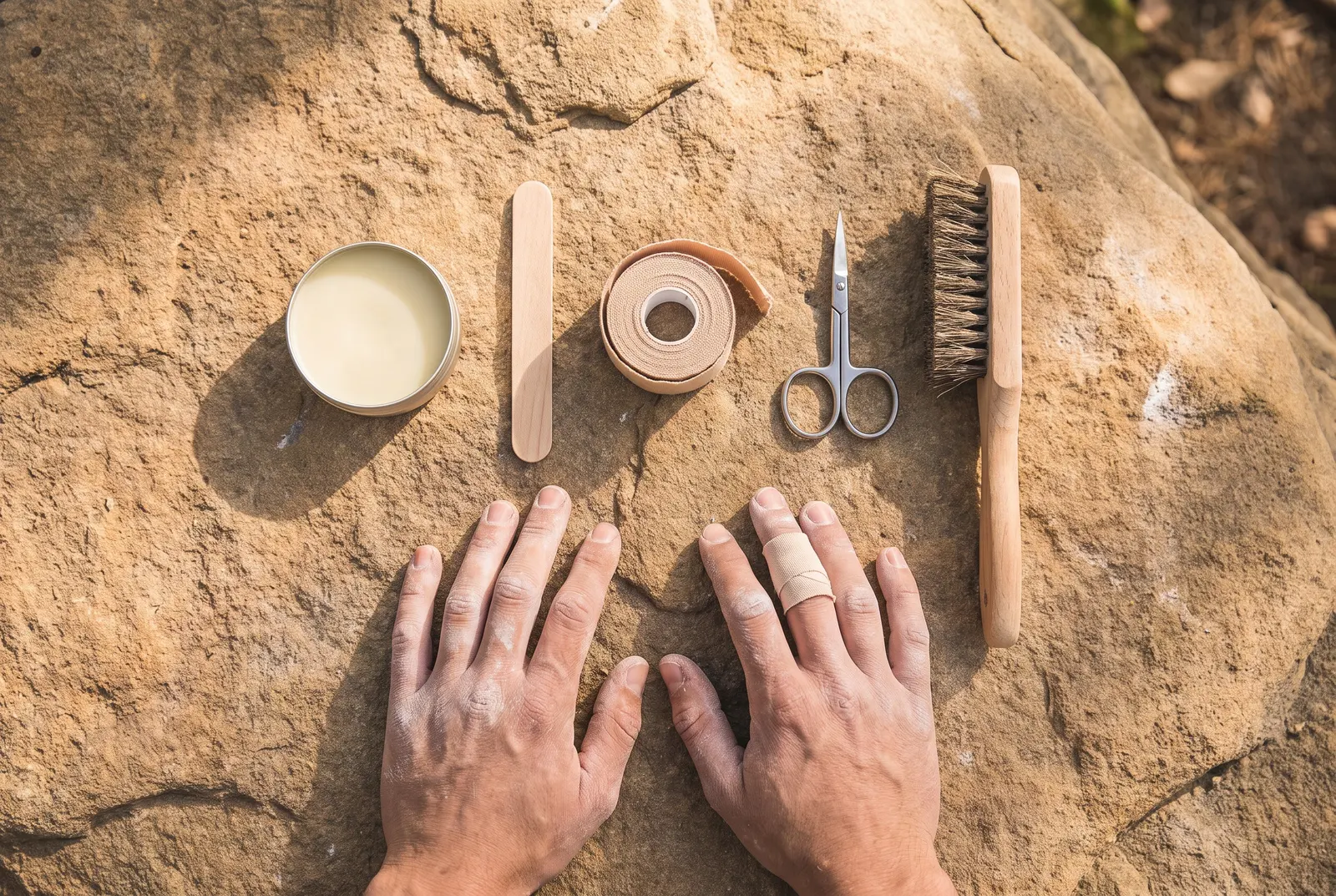
The best climbing chalks
FrictionLabs Unicorn Dust: best overall loose chalk
Unicorn Dust was the unanimous favorite in 99Boulders' blinded test, which praised its easy application, even coat and staying power. Treeline calls it its best long-lasting chalk. FrictionLabs sells it as a "powder+chunks" blend in 2.5, 6 and 12 oz sizes and says its chalk contains "no fillers or toxic drying agents," while admitting it isn't 100% pure.
Best for: climbers who want a smooth, long-lasting coat. Drawback: 99Boulders found it by far the most expensive chalk in its test, and its fine powder is dusty. Skip it if: your gym limits loose chalk or you're on a budget. FrictionLabs' chunkier Gorilla Grip and Bam Bam blends suit block-chalk fans.
Bison Designs Competition Chalk: best for an even coat
Treeline names Bison's Competition Chalk its best overall: a super-fine chalk that coats evenly and needs little per application. Bison describes it as "100% natural magnesium carbonate" with "no artificial fillers or additives," and the 1-quart pouch is listed at around $8.50. 99Boulders also liked its quick coverage but found the fine texture took getting used to.
Best for: climbers who like fine chalk. Drawback: less long-lasting than Unicorn Dust in Treeline's testing. Skip it if: you prefer chunks.
Metolius Super Chalk: best budget chalk
OutdoorGearLab's Best Buy and Treeline's best budget chalk is cheap, widely available and sold in sizes from 2.5 oz to 15 oz, plus bulk buckets. Metolius lists it as "100% Magnesium Carbonate." Reviews are mixed on performance: some OutdoorGearLab testers found it slippery and prone to caking, and it came last in 99Boulders' blind test for staying power.
Best for: filling a big bucket without spending much. Drawback: less consistent coverage than premium chalks. Skip it if: you care most about how long each coat lasts.
OCÚN Hot Chalk: marketed for warm conditions and sweaty fingertips
OCÚN describes Hot Chalk as a blend "developed and tested for warm conditions above 10°C" that "provides more friction and efficiency if you have sweaty fingertips." Its sister product, Cool Chalk, is for cold, dry days below 10°C and dry skin. OCÚN says both are magnesite and differ in how they're produced, which changes texture and dust. You can mix them.
Best for: summer sessions and sweaty fingertips. Drawback: independent comparative performance is unverified; we didn't find an independent test of either blend. Skip it if: you want test-backed performance data.
Mammut Liquid Chalk: best value liquid chalk
OutdoorGearLab's top liquid pick, praised for coverage, quick drying and value. Mammut sells it in a 200 ml bottle, markets it as "ideal as a dry base layer" with low dust for gyms, and lists it at around $17.95 on its US site. See the rosin note above: check the bottle's ingredient list if your gym is strict.
Best for: a base layer before loose chalk. Drawback: OutdoorGearLab warns that it stings on cuts. Skip it if: you have split tips or very dry skin.
FrictionLabs Secret Stuff: best rosin-free liquid chalk
99Boulders' Upgrade Pick goes on easily, dries quickly, feels silky and is rosin-free. FrictionLabs makes three versions: Original (45% isopropyl alcohol), Hygienic (80% ethyl alcohol) and an alcohol-free gel aimed at "arid conditions and sensitive skin." The brand lists it at around $19.
Best for: gyms that ban rosin, and anyone who wants to keep holds clean. Drawback: 99Boulders found it no grippier or longer-lasting than the rosin chalks, and the most expensive per ml. Skip it if: cost per session matters most.
Wild Country Pure Liquid Chalk Rosin Free: rosin-free alternative
Wild Country calls it a "clean-climbing, rosin-free liquid chalk formula" with over 70% alcohol plus eucalyptus and spearmint oils, in a 100 ml bottle. It claims the formula is easier to wash off and "preserves rock and holds." Wild Country's US store listed it at around $14.95 when we checked in November 2026.
Best for: climbers who want a rosin-free alternative to Secret Stuff. Drawback: no independent test we could find. Skip it if: you react to essential oils.
Metolius Eco Ball: best chalk ball
Treeline's best chalk ball. Metolius calls it "a highly absorbent and eco-friendly alternative to chalk that leaves no trace on the rock," at around $5.95. Treeline praises the absorbency and low dust but points out that the drying agent is proprietary and undisclosed.
Best for: climbers who want a low-dust chalk substitute in a fabric ball; confirm your gym or crag accepts it. Drawback: its undisclosed formula means we can't verify the environmental claims. Skip it if: you have sensitive skin and want a full ingredient list.
Chalk outdoors: use less, brush it off
Chalk that builds up on rock makes holds slicker and leaves marks. On soft sandstone such as Fontainebleau, bleau.info's ethics page asks climbers to use chalk sparingly and clean off chalk marks before leaving. Read our Fontainebleau bouldering guide before a trip. Everywhere:
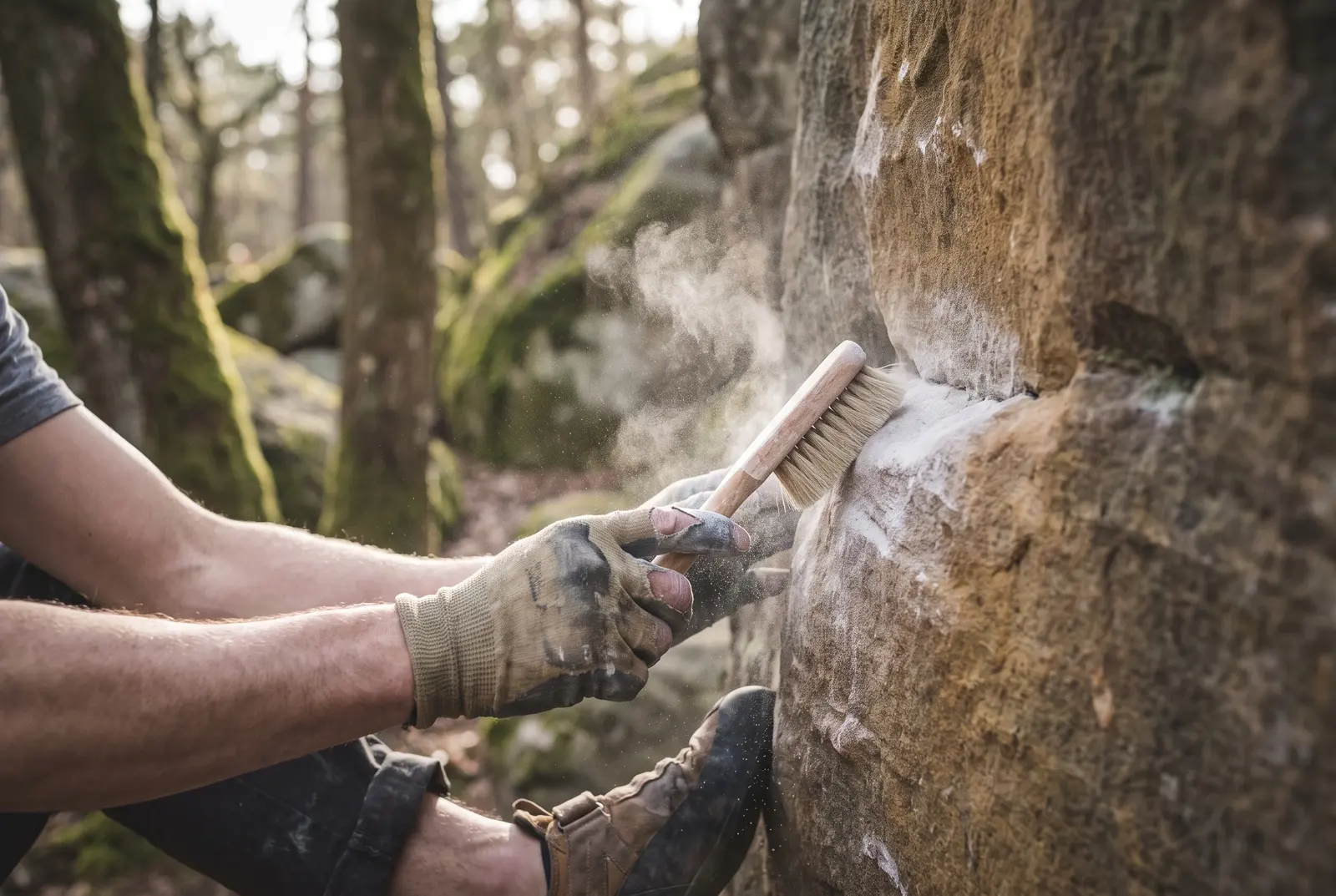
- Use a thin coat and tap off the excess before you pull on.
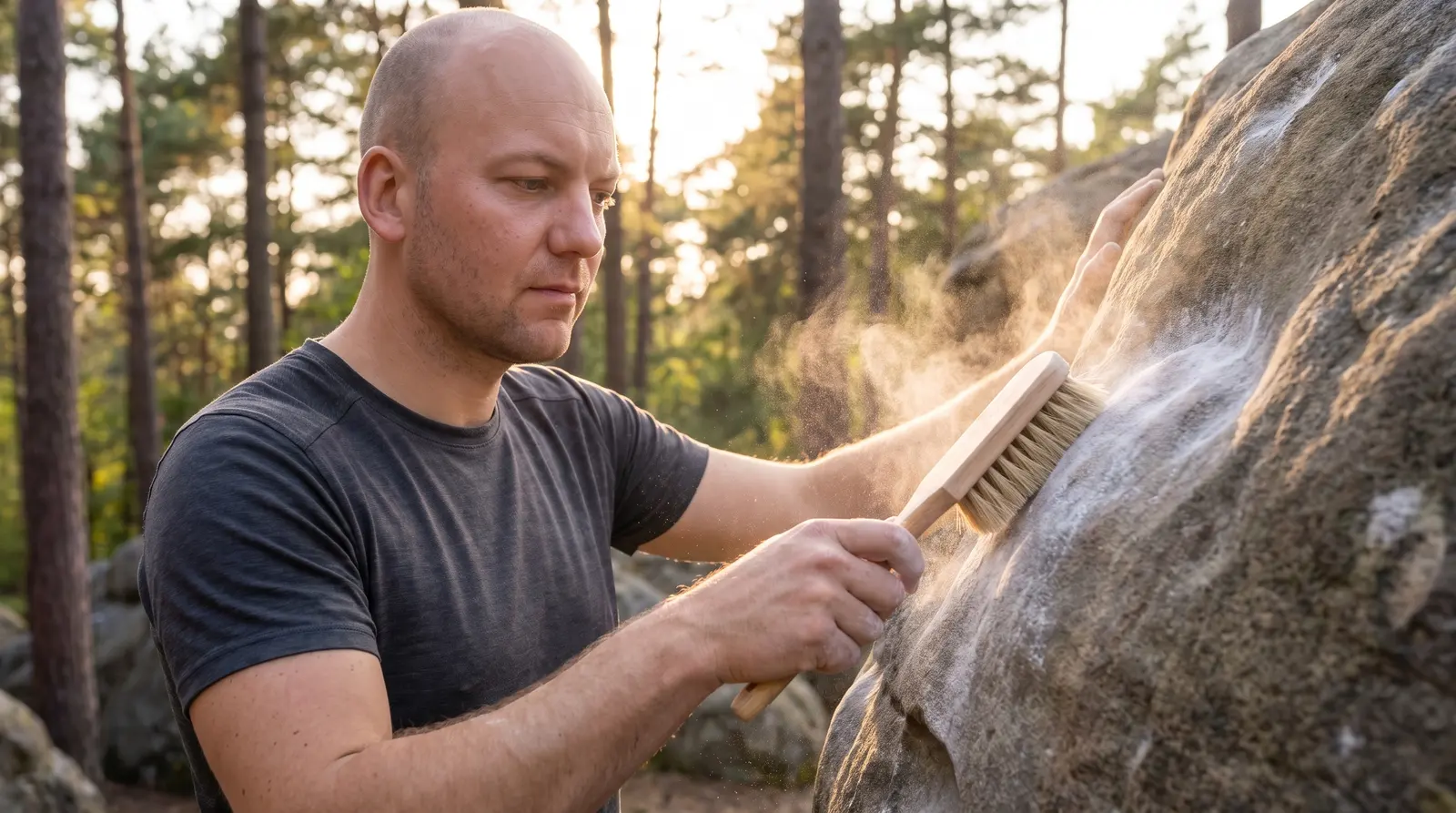
- Avoid tick marks; where brushing is permitted, remove residue gently with a soft brush. Never use wire brushes or aggressively scrub fragile rock.
- Keep rosin products for the gym, if your gym allows them at all.
- Close your chalk bucket between attempts so it doesn't spill.
How to choose: a quick checklist
- Check your gym's or crag's rules first: chalk allowed at all? Chalk balls only? Rosin banned?
- Pick a texture: fine for an even coat, chunky for a block-chalk feel.
- Sweaty hands: add a liquid base layer. Dry hands: use less chalk and skip strong drying agents.
- Read the ingredient list if your skin reacts or rosin matters.
- Buy in bulk once you've found a chalk you like; it's much cheaper per session.
FAQ
What is the best climbing chalk for sweaty hands?
Start with a liquid chalk base layer and top up with a loose chalk that dries well, such as a chunky blend or a chalk sold for warm conditions like OCÚN Hot Chalk. Independent testers found Black Diamond White Gold and Petzl Power Crunch very drying, but also hard on skin over time. If sweating is severe and affects daily life, a dermatologist can discuss treatment.
Is rosin-free liquid chalk better?
Not for grip, necessarily, but it's kinder to holds. Rosin (colophony) makes chalk tackier and longer-lasting, but it can build up and polish holds, and some gyms ban it. Rosin-free options include FrictionLabs Secret Stuff and Wild Country's Pure Liquid Chalk Rosin Free. Check your gym's rules and the ingredient list.
Is liquid chalk better than loose chalk?
Neither is clearly better. Liquid chalk gives a thin, even, low-dust base layer that lasts several attempts; loose chalk is quicker to top up between and during climbs. Many climbers use liquid chalk at the start of a session and loose chalk on top.
Does expensive chalk make a difference?
A little. Blind tests by 99Boulders found real differences in texture, coverage and how long chalk stayed on, but all of the chalks tested did their main job of drying the skin. Pick a texture you like and a formula your skin tolerates before paying for a premium brand.
Sources
- Matt Bento / OutdoorGearLab, The Best Climbing Chalk (2025)
- Mary Beth Skylis / Treeline Review, Best Climbing Chalks of 2026 (2026)
- Willis Kuelthau / 99Boulders, We Conducted a Blinded Field Test of the 7 Best Climbing Chalks (2020)
- Willis Kuelthau / 99Boulders, 5 Best Liquid Chalks for Climbing (2022)
- Kilgas MA et al. The Effect of Magnesium Carbonate (Chalk) on Geometric Entropy, Force, and Electromyography during Rock Climbing. Journal of Applied Biomechanics (2016)
- Clarke B, et al. The effectiveness of chalk as a friction modifier for finger pad contact with rocks of varying roughness. Proc IMechE Part P (2024)